
Tick Identification and Testing Services
Tick-borne diseases are becoming increasingly more common across the United States. Ticks are small, eight-legged arachnids that feed on the blood of an animal or human host. Ticks carry pathogenic (disease-causing) organisms in their saliva which can transmit diseases to the host following a bite. Different species of ticks carry different pathogenic bacteria, viruses, and protozoans which ultimately lead to different infections, such as Lyme Disease, Rocky Mountain Spotted Fever, and Babesiosis. Thus, timely identification of the species of tick and detection of the pathogen(s) they carry are critical for treatment and overall health and wellness.
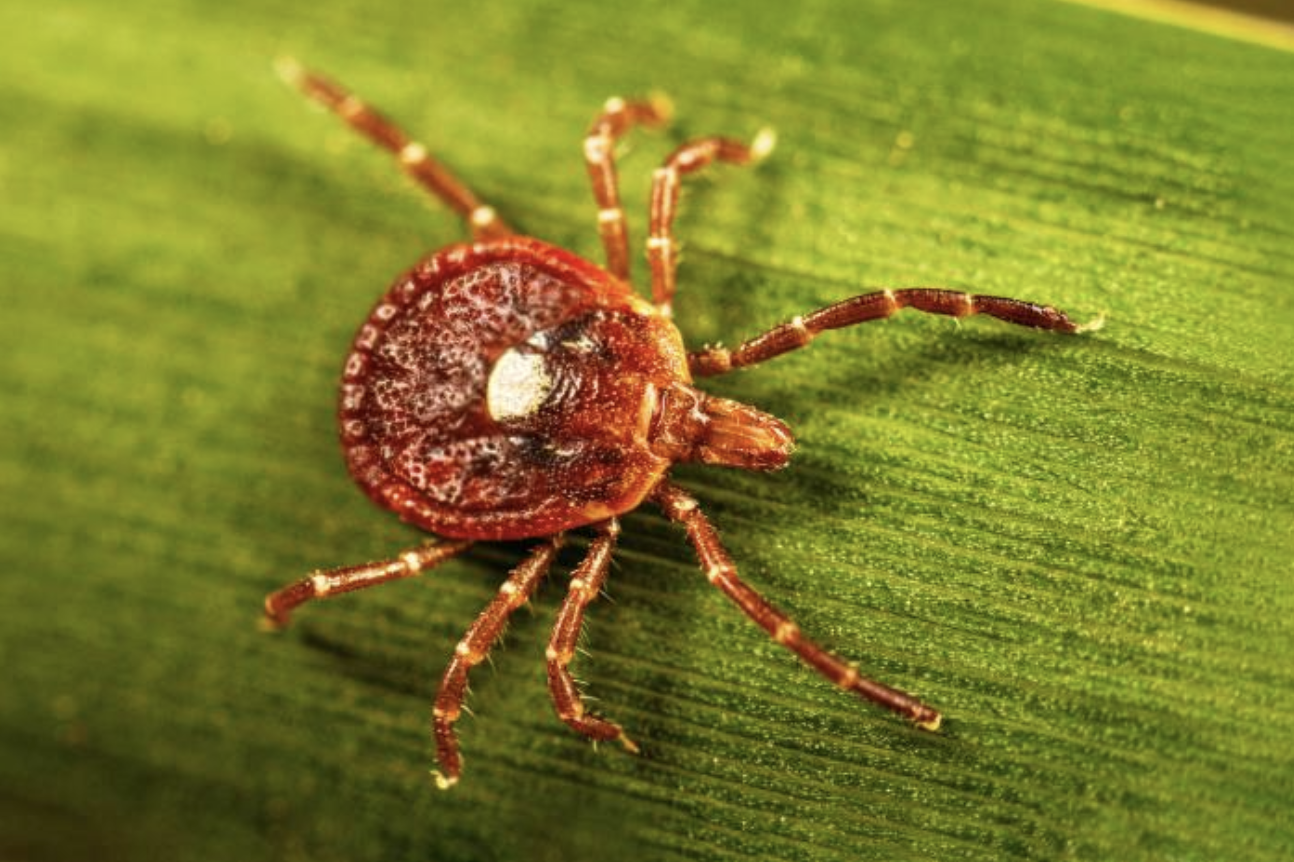
Tick Identification
Microscopic examination and identification of tick species. In Michigan, the four most common species include the American Dog Tick (Dermacentor variablis, commonly called “Wood Ticks”), the Blacklegged Tick (Ixodes scapularis, commonly called “Deer Ticks”), the Lone Star Tick (Amblyomma americanum), the Brown Dog Tick (Rhipicephalus sanguineus).
Tick Disease Panel Testing
Molecular Detection of Pathogens
Ticks transmit disease through their saliva – specifically the pathogens within the saliva. Through the use of molecular biology techniques, we can accurately and quickly identify whether the tick carries the common pathogens associated with the species, such as Borrelia burgdorferi (Lyme Disease), Rickettsia rickettsii (Rocky Mountain Spotted Fever), or Anaplasma phagocytophilum (Anaplasmosis).
Disease Panels Offered – if you do not know the species of tick, we will identify the tick species and select the correct panel for testing.
Basic Deer Tick Panel
- Borrelia burgdorferi (Lyme Disease)
- Borrelia mayonii (Lyme Disease)
- Borrelia miyamotoi (Relapsing Tick Fever)
- Babesia microti (Babesiosis)
- Anaplasma phagocytophilum (Anaplasmosis)
Basic Non-Deer Tick Panel
- Borrelia burgdorferi (Lyme Disease)
- Borrelia mayonii (Lyme Disease)
- Rickettsia ricketsii (R.M. Spotted Fever)
- Francisella tularensis (Tularemia)
- Erhlicha chaffeensis (Erlichiosis)
Tick Submission Guidelines
The way you store and ship your tick can directly impact the results from the laboratory. After removing the tick with tweezers, place it into a clean Ziploc plastic bag. Label the bag with the date of removal. Do not place the tick in water or damp paper towel. If the tick is still alive, double bagging is encouraged to prevent escape. Store your bagged tick in your refrigerator or freezer. Order your tick testing kit, print and fill out your chain of custody form, label your plastic bag with your order and sample number, and package the form and tick together in an envelope. We recommend using a padded envelope or bubble wrap to prevent crushing. Samples can then be mailed in to the lab via USPS, FedEx, or UPS, or dropped off in person to our laboratory.